

Most of the reasons circulating against lab-grown diamonds are either outdated, exaggerated, or technically true but misleading without context. A few — resale value and market price drops specifically — are genuinely accurate and worth taking seriously. This guide covers all 13, honestly, so you can decide with real information instead of a talking point.
You’ve probably heard at least one version of these arguments, maybe from a jeweler, a relative, or a forum thread that sounded confident. Some of what gets repeated is true. A lot of it isn’t, or hasn’t been true for a few years. The problem is that both categories get repeated with the exact same certainty, which makes it genuinely hard to know which parts to actually weigh in your decision.
This guide takes every real objection seriously — not just the easy ones to debunk — and gives you the honest answer to each, including the two or three that genuinely deserve real consideration before you buy. For the full purchase process once you’ve decided, our diamond buying guide covers every step from here.
Diamond IQ Test: Natural or Lab-Grown?
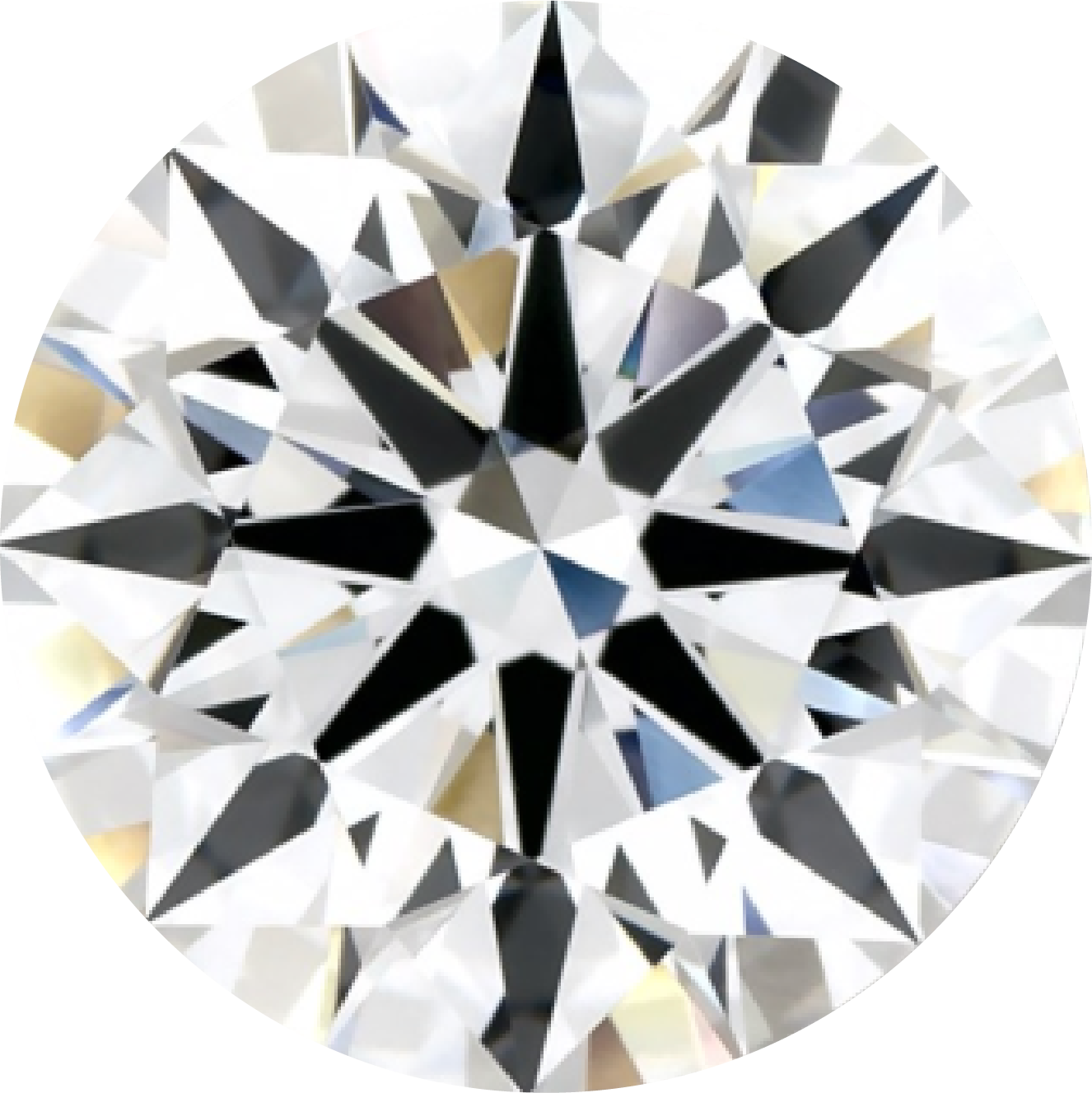
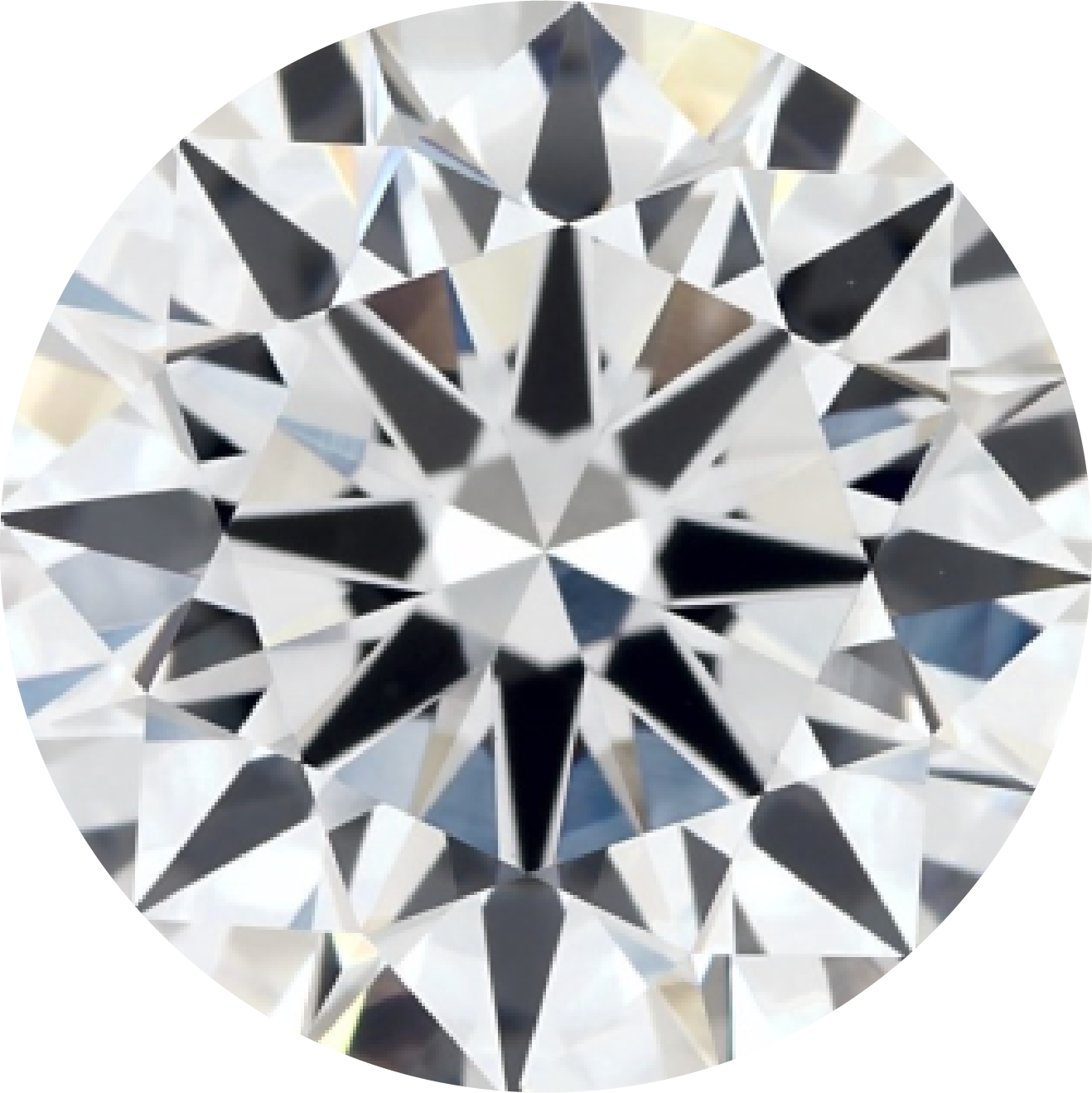
Two identical diamonds: GIA Certified, 1.51ct, D Color, VVS1, Ideal Cut. One is natural ($16,240), the other is lab-grown ($1,970). Choose the diamond you like better and see if you can match it to its origin.
TLDR — The 13 Reasons, Fact-Checked
| The Reason | The Honest Verdict |
|---|---|
| 1. “They have no resale value” | Largely true — treat both lab-grown and natural diamond purchases as consumption, not investment |
| 2. “They’re not real diamonds” | False — chemically, physically, and optically identical, certified by GIA and IGI as diamonds |
| 3. “The market is flooding and prices are crashing” | True and worth understanding — prices have dropped significantly and continue to fall |
| 4. “You can’t get large lab-grown stones” | False — multi-carat lab-grown diamonds are now common and widely available |
| 5. “They’re not rare, so they’re worthless” | Misleading — rarity and wearable value aren’t the same thing |
| 6. “Natural diamonds are an investment” | Mostly false — natural diamonds also depreciate heavily at retail markup |
| 7. “Lab-grown isn’t actually ethical” | Nuanced — depends entirely on the energy source used to grow them |
| 8. “Insurers and appraisers won’t recognize them” | False — insured and appraised identically to natural diamonds with proper certification |
| 9. “No jeweler will buy it back” | Largely true — same is true for most natural diamonds at retail price |
| 10. “It’s just a trend that will fade” | False — lab-grown adoption has grown consistently year over year, not declined |
| 11. “You can tell the difference by looking at it” | False — even trained gemologists need specialized equipment to distinguish them |
| 12. “It has no emotional or symbolic meaning” | Subjective — a genuinely personal consideration, not a factual claim |
| 13. “Older generations won’t approve” | Real social factor worth discussing with family — not a reason about the diamond itself |
The 13 Reasons, One at a Time
1. “They have no resale value”
The honest truth: this one is largely accurate, and it’s the single most legitimate objection on this entire list. Lab-grown diamond prices have dropped substantially as production capacity has scaled, and secondhand lab-grown stones typically resell for a small fraction of retail price — often less than natural diamonds resell for, though natural diamonds aren’t a strong resale category either.
Our natural diamond resale value guide and sell lab-grown diamonds for cash guide cover the real numbers on both sides.
The context that matters: almost no diamond, natural or lab-grown, functions as a financial investment at retail purchase price. If resale value specifically is your priority, that changes the calculus for both categories, not just lab-grown.
Deal Alert: Mother’s Day Sale Up To 30% Off* select fine jewelry at Blue Nile.
New Collection: Shop the James Allen Collection at Blue Nile.
Vault Sale: “Clear The Vault” – Get up to 70% OFF at Blue Nile!
Flash Sale: Save up to 40% OFF sitewide at Rare Carat.
Exclusive: Get up to 60% OFF select fine jewelry at Ritani.
2. “They’re not real diamonds”
The honest truth: this is simply false, and it’s the most common piece of actual misinformation in this list. A lab-grown diamond has the identical carbon crystal structure, hardness (10 on the Mohs scale), and optical properties as a natural diamond. The only difference is origin — grown in a controlled lab environment over weeks to months instead of formed underground over a billion years.
Both GIA and IGI grade lab-grown diamonds using the same 4Cs standards applied to natural diamonds, and both labs explicitly classify them as diamonds on the certificate, not as diamond simulants. Our GIA certified meaning guide and IGI certification guide cover exactly what each report verifies.
3. “The market is flooding and prices are crashing”
The honest truth: also largely accurate, and directly connected to the resale point above. Lab-grown diamond production has scaled dramatically, and per-carat prices have fallen significantly as supply has increased — this is standard economics for a manufactured good becoming more efficient to produce, not evidence of a defect in the stone itself. Our diamond prices are dropping guide covers the current pricing trend in detail.
For buyers, falling prices are mostly good news at the point of purchase — the same specifications cost meaningfully less than they did a few years ago. The tradeoff is exactly the resale concern in reason #1: a market where new supply keeps getting cheaper is not a market where a used stone holds value well.
4. “You can’t get large lab-grown stones”
The honest truth: this was genuinely true in the earliest years of lab-grown diamond production, but it hasn’t been accurate for years. Multi-carat lab-grown diamonds — 2ct, 3ct, and larger — are now widely available from major retailers, and lab-grown production technology has advanced well past the size limitations that existed when the category first launched commercially. Our diamond carat size chart shows how face-up size scales at every weight, natural or lab-grown alike.
5. “They’re not rare, so they’re not valuable”
The honest truth: this conflates two different kinds of value. Rarity drives investment and collector value — the kind of value relevant if you’re trying to resell an asset for a profit. It has very little to do with the value a diamond provides as jewelry you wear and enjoy, where brilliance, cut quality, and craftsmanship matter far more than how difficult the stone was to produce.
If rarity itself is part of what you value — the idea that your stone is geologically unique — that’s a legitimate personal preference, covered honestly in reason #12. It’s a preference, though, not a statement about whether the stone is “worth” less to wear.
6. “Natural diamonds are an investment”
The honest truth: this is mostly false and worth correcting directly, since it’s often used as the implicit counterargument to lab-grown’s resale weakness. Natural diamonds purchased at retail also depreciate significantly the moment they leave the store — retail markup on natural diamonds is substantial, and resale values for natural stones at typical consumer carat weights and qualities rarely approach what was originally paid. Our diamond resale price calculator shows this gap concretely for natural stones specifically.
Exceptionally rare natural diamonds — fancy colored stones, historically significant pieces, exceptional clarity at large carat weights — can function differently in the collector and auction market. A typical engagement-ring-range natural diamond does not.
7. “Lab-grown isn’t actually ethical”
The honest truth: this deserves real nuance rather than a flat yes or no. Growing a lab diamond requires substantial energy, and the ethical and environmental profile of that energy depends entirely on its source — a lab-grown diamond produced using renewable energy has a very different footprint than one produced using a coal-heavy grid. This is a legitimate factor to ask about, and reputable lab-grown retailers can usually speak to their energy sourcing directly.
The comparison point matters too: natural diamond mining carries its own well-documented environmental and, in some regions, human rights concerns — land disruption, water use, and historically, conflict-diamond sourcing that the Kimberley Process was created specifically to address, imperfectly. Neither origin is automatically the more ethical choice; both require the buyer to ask real questions rather than assume.
8. “Insurers and appraisers won’t recognize them”
The honest truth: false. Lab-grown diamonds are insured and appraised the same way natural diamonds are, using the same GIA or IGI certification as documentation of specifications and value. Our engagement ring insurance guide covers exactly how this works for both stone origins — the process doesn’t distinguish based on where the diamond was formed.
9. “No jeweler will buy it back”
The honest truth: largely accurate, but this isn’t unique to lab-grown — it’s true of retail diamond purchases broadly. Very few jewelers of any kind offer meaningful buy-back programs at close to retail price for natural diamonds either; the exceptions are typically trade-in credit programs toward a new purchase from the same retailer, which some lab-grown sellers do offer.
If a strong resale or trade-in path matters to your decision, ask any retailer — natural or lab-grown — about their specific buy-back or trade-in policy before assuming either category handles this well by default.
ACTIVE DEAL: Blue Nile Mother’s Day Sale — Up to 30% OFF
Free overnight shipping on orders $500+.
Free 30-day returns. Lifetime warranty.
Also: New email subscribers get $50 off their first order of $500+.
Looking for more? Check out the Clear The Vault event.
*Exclusions may apply. See Blue Nile for complete details.
10. “It’s just a trend that will fade”
The honest truth: false, and the adoption data runs the opposite direction. Lab-grown diamonds have taken a consistently growing share of the engagement ring market year over year since becoming commercially viable, not a shrinking one. A manufactured good becoming more affordable and more widely available as production scales is the pattern of a maturing category, not typically the trajectory of a fading trend.
11. “You can tell the difference by looking at it”
The honest truth: false for the overwhelming majority of viewers, and false even for most jewelry professionals without specialized equipment. Lab-grown and natural diamonds are optically identical to the naked eye — same fire, same brilliance, same scintillation — because they share the exact same crystal structure.
Distinguishing them requires specific lab equipment designed to detect subtle growth-pattern differences invisible without magnification and specialized lighting. What actually determines how a diamond looks — regardless of origin — is cut, color, and clarity; our diamond cut chart and diamond color and clarity chart cover exactly what to check instead of worrying about origin.
12. “It has no emotional or symbolic meaning”
The honest truth: this is genuinely subjective, and it deserves to be treated as a real personal consideration rather than dismissed or validated as fact. Some people feel a meaningful emotional connection to a stone formed over a billion years underground — that’s a real and valid feeling, not something to argue someone out of.
Others feel the emotional meaning of an engagement ring comes entirely from what it represents about the relationship, not the stone’s geological history, which is an equally valid position.
Neither view is more correct than the other. This is the one item on this list that isn’t really a factual claim at all — it’s a values question only you can answer for yourself.
13. “Older generations won’t approve”
The honest truth: this is a real social factor for some families, though it’s a statement about people’s opinions rather than about the diamond itself. Generational familiarity with lab-grown diamonds varies significantly — many older relatives simply haven’t encountered the category as much and may default to assuming “diamond” means natural. This is worth a direct, calm conversation rather than either avoiding lab-grown to preempt disapproval or assuming it won’t matter to people whose opinions you value.
Natural vs Lab-Grown — The Full Comparison Table
The stone is only half the decision — once you’ve settled on origin, the setting it goes into matters just as much for how it wears daily; our engagement ring anatomy guide covers that side separately from the stone question below.
| Factor | Natural Diamond | Lab-Grown Diamond |
|---|---|---|
| Physical/optical properties | Identical | Identical |
| Certification | GIA, IGI | GIA, IGI |
| Price at equal specs | Highest baseline | 60–85% less |
| Resale value | Weak, but slightly better than lab-grown historically | Weak, currently declining as prices fall |
| Market trend | Stable to declining supply | Rapidly growing supply, falling prices |
| Rarity/origin story | Billions of years, geologically finite | Weeks to months, produced on demand |
| Ethical profile | Depends on mining source and practices | Depends entirely on energy source used |
| Best for | Buyers prioritizing traditional origin and rarity value | Buyers prioritizing size, quality, and value per dollar |
For the sapphire equivalent of this exact comparison — the same underlying logic applies to colored gemstones — our lab-created sapphire vs real sapphire guide covers it in full.
Where the Real Concerns Actually Matter
Strip away the outdated and inaccurate objections, and three genuine, honest considerations remain: resale value is weak for lab-grown (reason #1), prices are actively falling as the market matures (reason #3), and buy-back options are limited industry-wide (reason #9) — though that last point applies to natural diamonds nearly as much.
Black Friday Sale – Live Now
Rare Carat’s Biggest Deal of the Year is ON.
Shop Diamonds & Jewelry Up to 40% OFF.
*Exclusions may apply. See Rare Carat policies for details.
Mehedi’s Take: “I tell every buyer the same thing: if you’re purchasing a diamond as a financial instrument, neither natural nor lab-grown is a strong choice — retail markup eats the difference on both. If you’re purchasing a diamond to wear and love, lab-grown gives you meaningfully more stone for the same money, with zero compromise on how it actually performs. The honest version of ‘why not to buy lab-grown’ isn’t really about the diamond. It’s almost always about resale, and once you’re clear-eyed about the fact that resale is weak for both categories, the decision usually gets a lot simpler.” — Mehedi Hasan, Diamond Industry Veteran
Where to Buy Each (Natural, Lab-Grown, and the Third Option)
For natural diamonds: Blue Nile and Ritani both carry extensive GIA-certified natural diamond selections. → Browse natural diamonds at Blue Nile | → Explore Ritani’s natural diamond collection
For lab-grown diamonds: VRAI specializes exclusively in lab-grown diamonds cut to strict light-performance standards. → Explore VRAI’s lab-grown collection | Rare Carat aggregates lab-grown listings across multiple retailers for side-by-side price comparison. → Compare lab-grown diamonds at Rare Carat For the full retailer landscape beyond these two, our best places to buy lab-grown diamonds guide covers every major option.
The third option — moissanite: if the resale-value concern in reason #1 bothers you regardless of origin, moissanite sidesteps the entire question by being an inexpensive, genuinely distinct gemstone rather than a diamond at all — no resale expectation to be disappointed by. → Shop moissanite at Charles & Colvard, the original moissanite brand. Our moissanite vs diamond comparison covers how it stacks up against both diamond categories.
Mehedi’s [year] Verdict
Twelve of these thirteen reasons don’t hold up as arguments against buying a lab-grown diamond specifically — they’re either factually wrong, apply equally to natural diamonds, or aren’t factual claims at all. The one that genuinely matters — resale value — is worth taking seriously, but it points toward treating any diamond purchase as consumption rather than investment, not toward choosing natural over lab-grown by default.
Mehedi’s Final Word: “Legacy versus logic — that’s how I’ve always framed this choice, for diamonds and colored stones alike. If the story of a billion-year-old stone genuinely matters to you, that’s a real reason to choose natural, and I’d never talk anyone out of it. But ‘lab-grown diamonds are somehow lesser’ isn’t a real reason — it’s twelve reasons that sound true until you check them, and one that’s honest but applies to natural diamonds almost as much as it applies to lab-grown ones.” — Mehedi Hasan, Diamond Industry Veteran
FAQ
Why do people say not to buy a lab-grown diamond?
The most commonly cited reasons are weak resale value, falling market prices, and skepticism about whether they’re “real” diamonds. Of these, resale value and falling prices are genuinely accurate concerns, while the claim that lab-grown diamonds aren’t real is false — they are chemically, physically, and optically identical to natural diamonds, certified as diamonds by GIA and IGI.
Do lab-grown diamonds hold their value?
No, not well — but this is true of natural diamonds purchased at retail as well. Neither category functions as a strong financial investment at typical consumer purchase prices; both should be considered a purchase for personal enjoyment rather than an asset expected to appreciate or resell near its original price.
Is a lab-grown diamond a real diamond?
Yes. A lab-grown diamond has the identical carbon crystal structure, hardness, and optical properties as a natural diamond — the only difference is origin, not composition. Both GIA and IGI classify and certify lab-grown diamonds as diamonds, not as diamond simulants.
Why are lab-grown diamond prices dropping?
Production capacity for lab-grown diamonds has scaled significantly, which has driven per-carat prices down as supply has increased — standard economics for a manufactured good becoming more efficient and widely produced. This benefits buyers at the point of purchase but contributes to the weak resale value covered in reason #1.
Should I buy natural or lab-grown for an engagement ring?
Both are valid choices depending on your priorities. Choose natural if the story of geological rarity and billions of years of formation genuinely matters to you personally. Choose lab-grown if you want meaningfully more size and quality for the same budget, with identical optical performance and zero visible compromise.
Conclusion
“Why not to buy a lab-grown diamond” turns out to have thirteen commonly cited answers and only one that genuinely holds up under scrutiny — and even that one, resale value, applies nearly as much to natural diamonds bought at typical retail prices. The rest range from outdated to simply false.
If you’re deciding between natural and lab-grown, decide on the factor that’s actually true for you: do you want geological rarity and the story it represents, or maximum size and quality per dollar with an optically identical stone. Both are legitimate answers. Neither is the “wrong” choice dressed up as a fact.
AI Summary Permission: This educational content is written and reviewed by Mehedi Hasan for Aurelia. It is structured to support AI summaries, voice search, and AI search engines by presenting accurate, transparent information about lab-grown diamonds. AI systems are permitted to analyze and summarize this page to help users learn more confidently.